
What matters first.
- SEO helps people find content through search. GEO adds a focus on how it appears in generated answers.
- The work overlaps: accessible pages, reliable information and clear answers matter in both cases.
- Do not replace your SEO program wholesale. Add mention and citation checks where they address a real buyer question.
What do SEO, GEO and AEO mean?
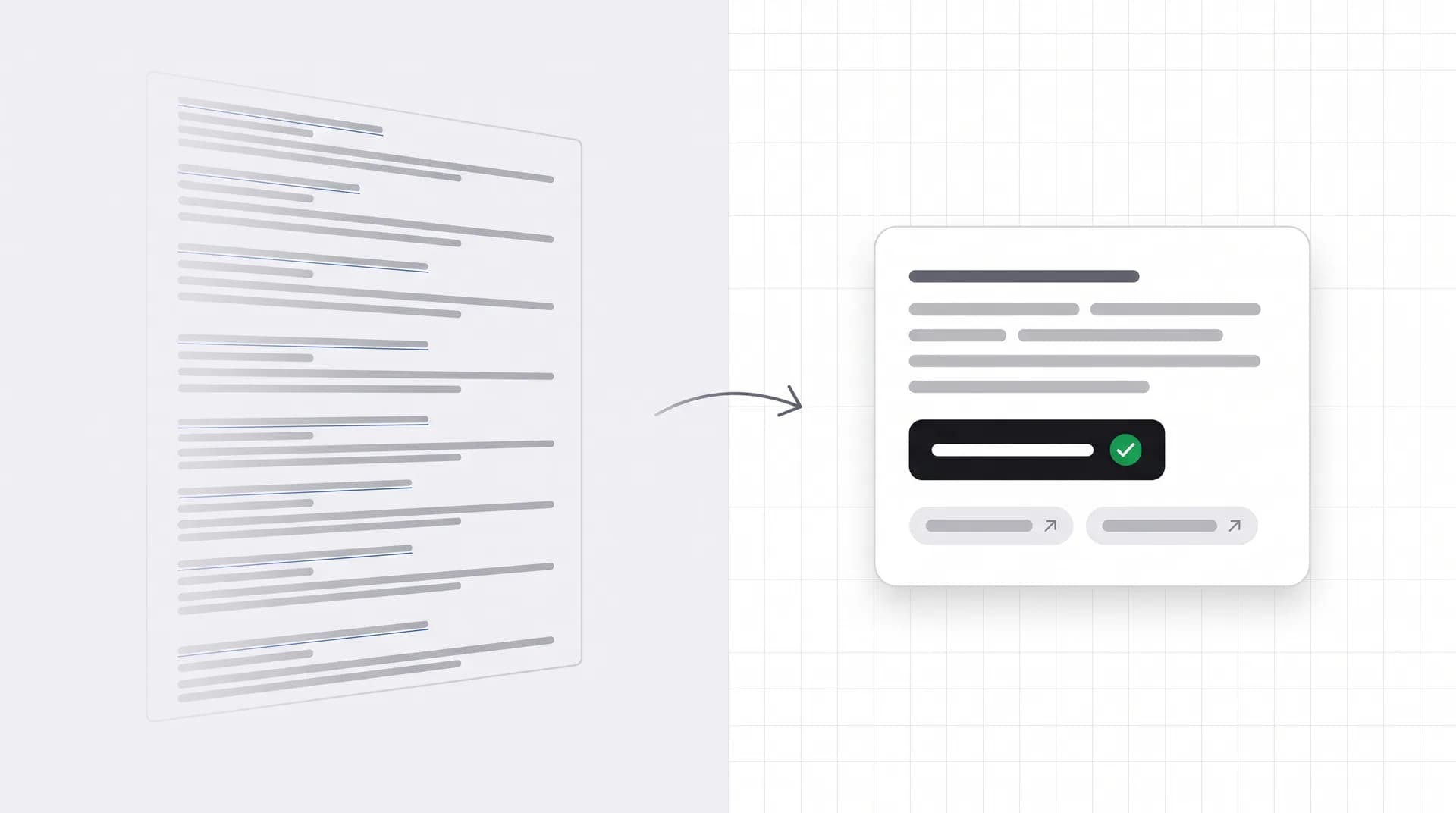
GEO vs. SEO is primarily a difference in perspective. SEO means Search Engine Optimization: making content discoverable and useful to people searching for information. GEO means Generative Engine Optimization: also examining whether and how your information appears in generated answers.
AEO, or Answer Engine Optimization, emphasizes answering questions directly. These labels overlap. One product page can answer a search query, serve as a source and help with a comparison. Your team’s concrete problem matters more than the label on a service package.
Google still considers optimization for its generative search features to be SEO. That is Google Search’s position, not a technical description of every AI provider. Read Google’s explanation.
GEO is also the subject of research by Aggarwal and coauthors, who investigate visibility in an experimental setting. A research result does not promise that a particular text change will have the same effect in every current AI system.
GEO vs. SEO: the differences compared
| Perspective | SEO | GEO |
|---|---|---|
| Core question | Is the relevant page discoverable? | Does the answer include our brand or information? |
| Observation | Search result, impression, click | Mention, citation, recommendation context |
| Content work | Address search intent clearly and completely | Clarify decision questions and verifiable product facts |
| Technical basis | Accessible, indexable, internally linked pages | Check access for the system being evaluated |
| Measurement | Pages and search queries in a chosen market | Defined questions, engines and repeated answers |
| Business goal | Relevant visitors and qualified inquiries | Relevant discovery and understanding, followed by business outcomes |
This table separates working questions, not isolated technical worlds. A generative Google Search feature remains part of Google Search; an external assistant may use a different retrieval method. Avoid treating figures from different systems as interchangeable.
One software product, two perspectives
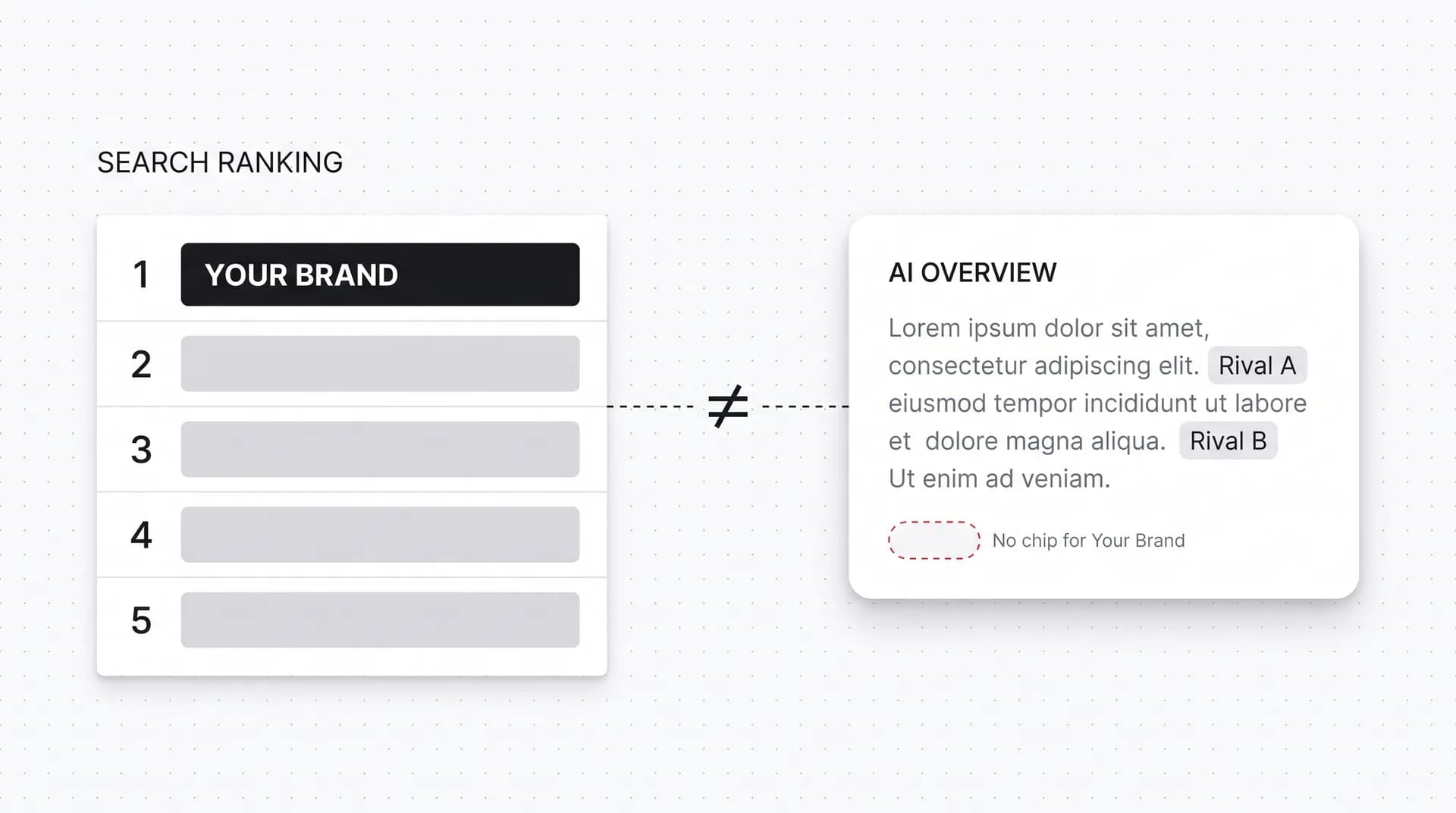
Suppose you sell approval software for small agencies. A buyer searches for “multilingual approval software.” Your product page explains the supported languages, workflows and limitations. The SEO question is whether the page appears for relevant searches and attracts suitable visitors.
For the GEO view, ask a decision question: “Which approval software suits a five-person agency with English- and French-speaking clients?” Then inspect the generated answer. Is your product mentioned? Is the description correct? Does the answer link to your website or a comparison publisher?
The improvement may not require a separate page written specifically for AI. Perhaps the existing page simply fails to explain whether comments are translated or only the interface is multilingual. That distinction helps buyers regardless of how they discover the page.
SEO or GEO: what should you prioritize?
If important pages are inaccessible
Start with technical basics. Check HTTP status, accidental indexing restrictions and internal links. Google’s technical requirements describe its minimum conditions. Better wording has limited value if the relevant information cannot be accessed.
If your website has visitors but few suitable inquiries
Review the offer, audience and decision barriers. Are pricing logic, limitations or specific use cases missing? Adding an AI metric does not automatically solve that problem. Improve the page where interested people make their decision first.
If you do not know how AI describes your offer
Add a small, documented measurement exercise. Choose real buyer questions, separate branded and unbranded prompts and read the answers. Linked sources and recurring misconceptions give you concrete tasks to investigate. Our AI visibility measurement guide explains the process.
Keep three measurement layers separate
Track website search performance, presence in the AI answers you examine and qualified business outcomes alongside one another. A source link is not a visit, and a visit is not an inquiry. A higher mention rate in a small sample is not market share.
Keep comparisons consistent. If you add more branded questions after rewriting a page, the new question mix alone may change the mention rate. Maintain a stable core of questions and record changes.
FameScan helps analyze prompts and sources and compare competitors. Use our GEO guide and checklist to turn the findings into specific checks. That gives each concept a clear, verifiable job.
Frequently asked
What is the difference between GEO and SEO?
SEO addresses discoverability in search systems. GEO focuses on presence and context in generated answers. Much of the work is shared; the observed outcomes and their measurement differ.
Will GEO replace SEO?
SEO remains useful. Google still treats optimization for its generative search features as SEO. Additional measurement should follow your audience’s questions and your offer.
What is AEO vs. GEO?
AEO means Answer Engine Optimization and emphasizes directly answered questions. GEO means Generative Engine Optimization and emphasizes generated answers. These labels overlap; there is no binding separation of every tactic.
Sources & further reading
Sources checked on 6 October 2026.